A Designer's Take on the Mexican Christmas Coloring Stamp
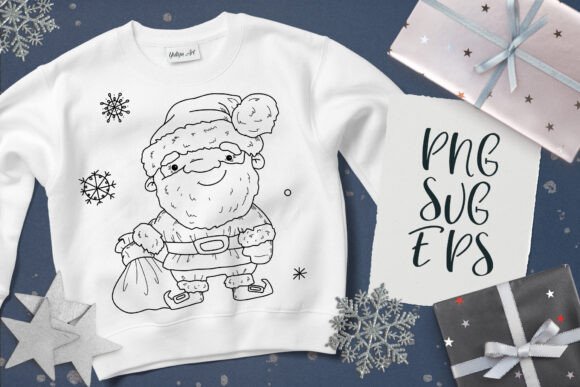
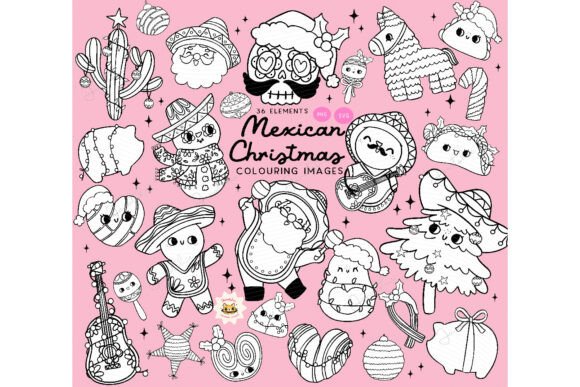
When I first opened the Mexican Christmas Coloring Digital Stamp, I felt a genuine smile spread across my face. It’s not the usual, generic holiday fare. There’s a warmth and playfulness here that speaks directly to a handmade, personal aesthetic. The retro pan dulce, the whimsical Mexican Santa, and those charming Christmas conchas doodles have a loose, illustrative quality that feels both nostalgic and fresh. As a designer who translates graphics into thread, my immediate thought was how this joyful, cultural celebration could breathe life into fabric.
The Natural Fit for a Handmade Holiday
This design set doesn’t shout; it invites. The mood is festive, familial, and sweet—perfect for projects where you want the emotion to feel genuine. The shapes are generous and open, not overly intricate, which tells me it’s going to stitch out with clarity. I can already picture it on a custom tea towel for a holiday kitchen, or as the central motif on a child’s apron for a Christmas baking day. Its visual personality leans towards gifts and keepsakes, items meant to be used and cherished, rather than just decorative objects.
For embroidery, this translates beautifully into a range of real-life projects. Imagine a cozy sweatshirt with the Mexican Santa nestled on the sleeve, or a tote bag featuring a cluster of conchas—it would become a conversation piece at any craft fair. For small business merchandise, like a boutique’s limited-edition holiday pillow cover, this design adds unique value. It could elevate a simple baby blanket into a meaningful heirloom gift. Even as an embroidered patch, applied to a canvas cap or a denim jacket, it carries a story. In short, it belongs on items where personality and heart are the product’s main selling points.
Where It Might Need a Second Thought
While the open lines are a strength, they also require some practical consideration. On very small hoop sizes, some of the finer doodle details could lose definition if not scaled carefully. I’d be cautious putting it on highly textured or very stretchy fabric without excellent stabilizer, as the larger, simpler shapes might distort. Dark fabric backgrounds would demand a thoughtful thread color palette to maintain that light, cheerful feel—it might naturally suit lighter fabrics better.
Also, curved surfaces like caps can be tricky with any design that has wider elements; you’d want to test placement. The design isn’t overly dense, which is good for longevity on items like kitchen towels or aprons that need frequent washing, as less stitch density often means better durability. However, on layered garments like heavy sweatshirts, ensuring the fill stitches penetrate properly is key. This isn’t a design with tiny lettering or extreme detail corners, so those common pitfalls are avoided, but always inspect the small details in your embroidery file preview before committing to a final product.
How This Stamp Elevates Your Finished Product
From a professional standpoint, using a design with this specific character does more than just decorate a surface. It enhances visual appeal through its uniqueness—it’s not a snowflake or a standard tree. That uniqueness directly boosts perceived product value and customer trust for small shop owners and Etsy sellers. A buyer looking for a personalized gift sees something they can’t find everywhere. The handmade presentation feels authentic and intentional.
For brand consistency, if your craft business leans towards cultural, festive, or family-oriented themes, this embroidery design becomes a powerful asset. Its giftability is high, especially for clients seeking a meaningful holiday present. The recognition factor is strong—it’s clearly a celebration of a specific tradition, which engages buyers looking for that connection. Ultimately, it projects a professionalism not through slickness, but through thoughtful curation of design.
A Designer’s Practical Notes Before You Stitch
Before you load this into your machine, treat it like any new design asset. Run a test on scrap fabric first, preferably the same type you plan to use for the final project. This is crucial to check thread color contrast and see how the satin or fill stitches actually look on material. Review the stitch density in your embroidery file software; ensure it’s appropriate for your fabric weight.
Confirm your intended hoop size can accommodate the design at the scale you want. Pay special attention to those smaller doodle elements in the test. It’s also wise to test the design in black and white mockups to understand its form, and compare how it might look on both light and dark fabric backgrounds digitally before stitching. Always use a proper stabilizer for the application.
Most importantly, since this is a digital stamp categorized under Illustrations and Graphics, confirm the licensing terms before selling finished items or commercial embroidery projects. Understand whether it’s cleared for physical products, digital products like printable mockups, or both. This step protects your craft business and ensures your use is professional and ethical.
The Mexican Christmas Coloring Digital Stamp is a delightful tool. Its true value is realized when it’s thoughtfully applied—translated from a graphic into thread on something tangible. It asks you to consider context, fabric, and purpose, which is the mark of a design with real potential. For the embroidery designer looking to add holiday joy with a personal touch, it’s a strong candidate waiting for your needle to bring it to life.